Dinner events have a rhythm. Guests arrive, settle in, order drinks, find their seats, listen to a welcome, eat, talk, and move through speeches or awards. Entertainment can make that rhythm feel effortless, but only when it is placed in the right moments.
The mistake many hosts worry about is easy to understand: they do not want a performer interrupting the meal, blocking servers, or asking guests to react while they are trying to eat. The good news is that interactive magic can be very dinner-friendly when the format is chosen around the schedule.
Start by deciding what the dinner needs
Before choosing a format, think about the outcome you want. Do guests need help mingling before they sit down? Is the room full of clients who should feel looked after? Are coworkers and plus-ones meeting for the first time? Is the dinner part of a conference, retreat, fundraiser, wedding, or awards night?
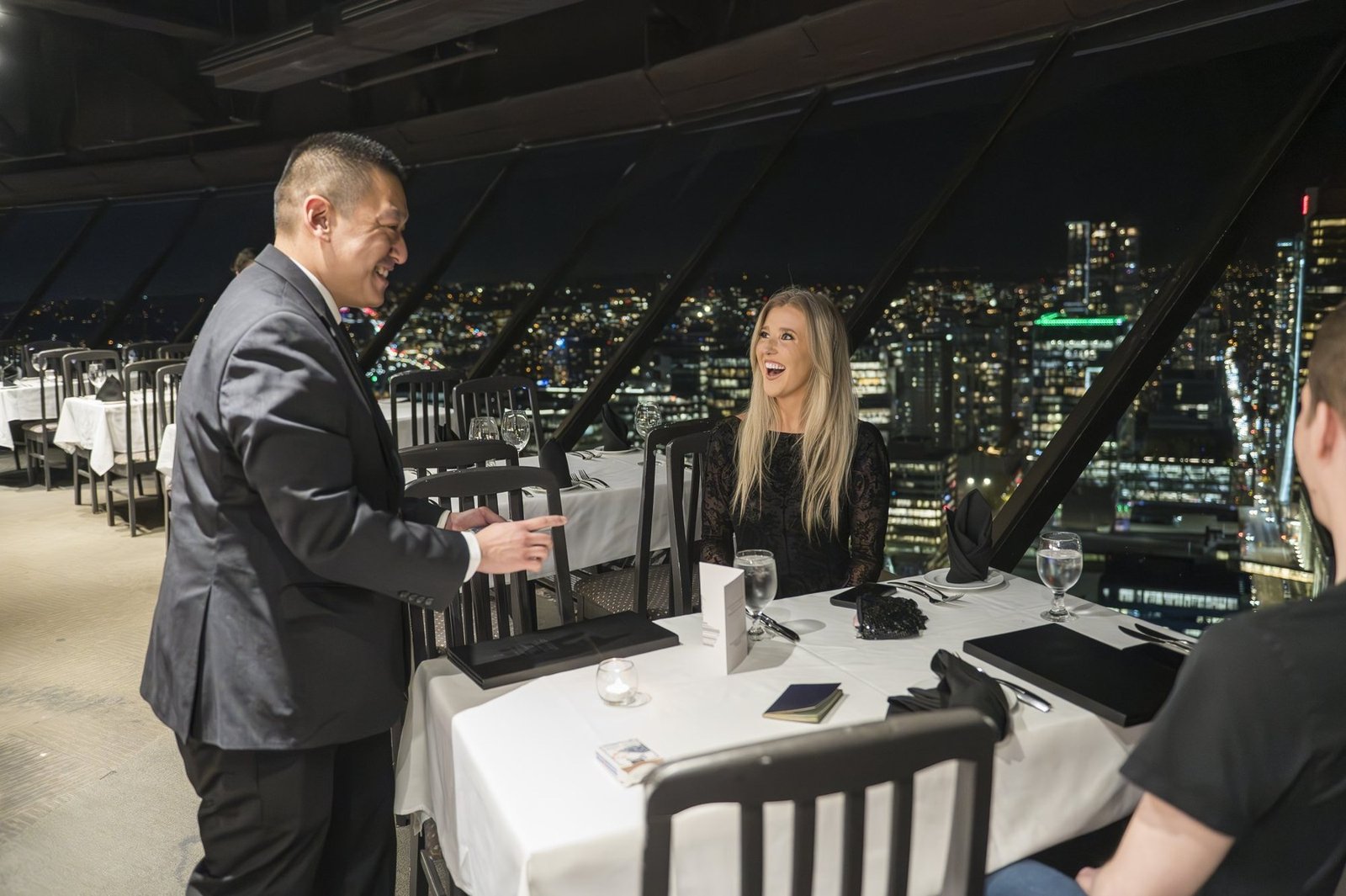
Close-up magic is strongest when the event needs small-group connection. John can visit guests during natural pauses and create moments that feel personal, conversational, and easy to join. A stand-up magic show is stronger when the dinner needs one shared highlight after the meal.
Best timing for close-up magic around dinner
The safest and most effective windows are usually before the meal, between seated moments, or after plates are cleared. During arrivals or cocktail hour, close-up magic gives guests something to gather around before they know everyone in the room. It breaks up small talk and helps the event feel alive early.
For seated dinners, table magic can work well during light pauses: after guests are seated but before the first course, between courses if the service plan allows it, during dessert, or after dinner while the room resets for speeches, awards, or dancing. The key is flexibility. John can read the room, step away when servers need access, and keep the entertainment moving without forcing a table to stop eating.
When not to schedule dinner magic
Avoid placing entertainment during an active main course. Guests may be balancing cutlery, conversation, and service, and they should not feel pressured to put down their meal. It is also better to avoid moments when servers are clearing or placing plates across the whole room, because the staff needs clear access and the guest focus is naturally split.
Speeches, toasts, award presentations, and live auction moments should also stay protected. Entertainment should support the program, not compete with it. If the event has a detailed run of show, share it in advance so the magic can be placed where it adds energy instead of friction.
How table visits should feel
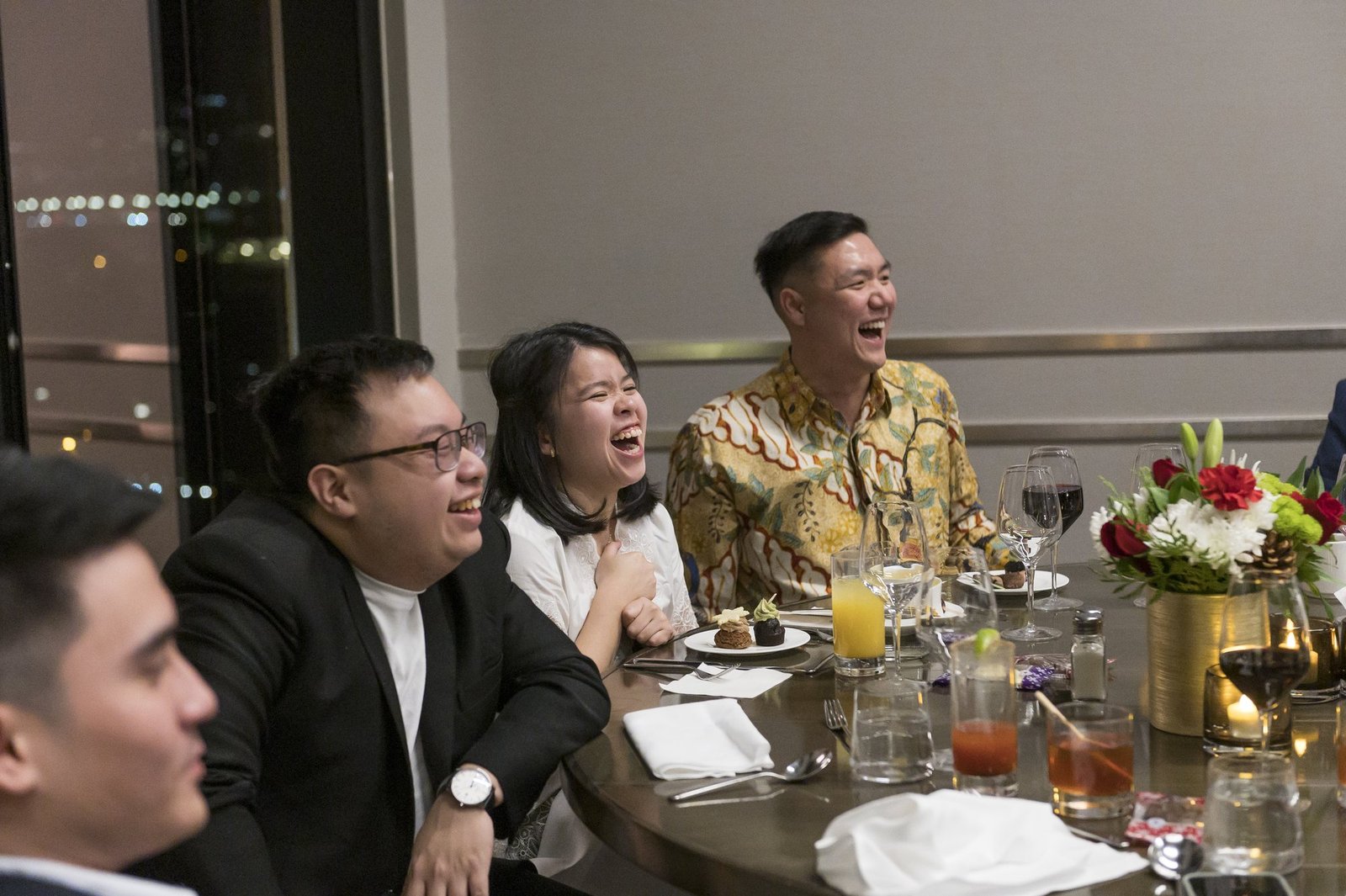
Table magic should feel like a hosted experience, not an interruption. John approaches at the right moment, creates a short interactive piece, and leaves the table with a shared reaction. Guests can stay seated, keep their drinks, and enjoy the moment without being embarrassed or pulled into anything uncomfortable.
This is especially useful for private dining rooms, corporate dinners, board dinners, wedding receptions, and client appreciation events. The magic gives each table something specific to talk about, which helps the room feel more connected before the next formal moment.
When a stand-up magic show fits better
If the host wants everyone to experience the same highlight, schedule a stand-up magic show after dinner. This works well once plates are cleared, guests have drinks, and the room is ready to focus together. It can follow dessert, awards, a welcome from leadership, or a short transition after the meal.
A stand-up magic show can be a clean, professional way to give the whole room a peak moment without extending the event too late. It is also easier for AV, lighting, and seating because the audience is already gathered and ready for a shared experience.
Questions to send before booking
When you inquire, include the event date, venue or city, guest count, room layout, dinner style, and the draft schedule. Mention whether guests will be seated at rounds, one long table, cocktail-style stations, a buffet, or a private restaurant room. If there are speeches, awards, fundraising moments, or a dance floor transition, include those too.
With those details, John can recommend whether close-up magic, table magic, a stand-up magic show, or a combination will best support the night. The goal is simple: make the dinner feel more memorable while keeping the host, guests, and venue team comfortable.
Planning a Vancouver dinner event?
John Ha helps hosts add interactive magic to dinners, receptions, and private events in a way that respects the meal, the schedule, and the guest experience.
Check availability for your date