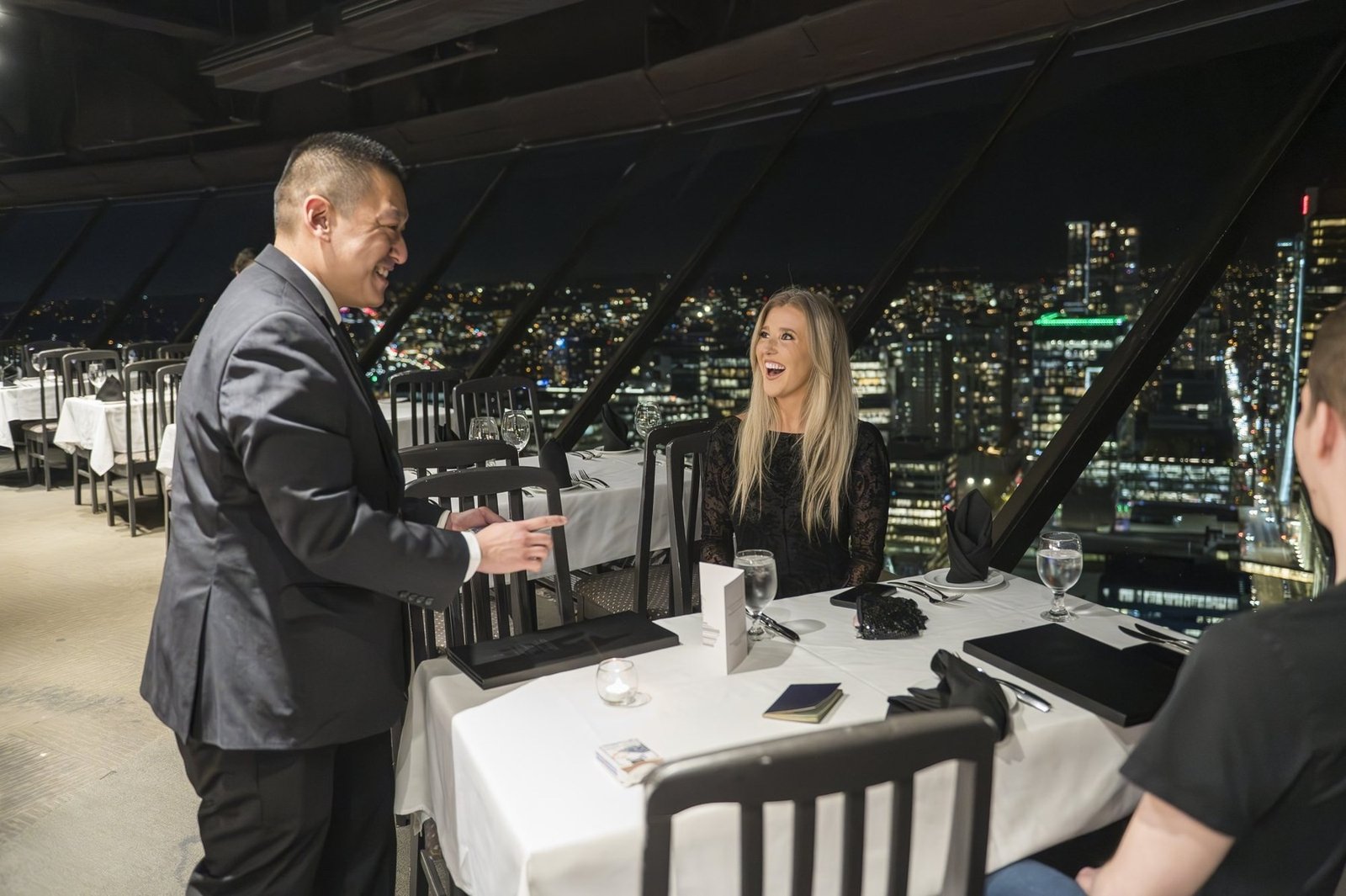
A rehearsal dinner is more than a meal. It is often the first time the wedding party, parents, relatives, close friends, and out-of-town guests are together in the same room. The challenge is helping the evening feel warm and relaxed without turning it into another formal program.
John Ha’s close-up magic gives guests a natural way to connect. Instead of asking people to sit through a show before they know each other, John moves through the room, performs for small groups, and creates quick reactions that become conversation starters.
Why rehearsal dinners need light-touch entertainment
The night before a wedding can include nerves, travel fatigue, speeches, family introductions, and last-minute logistics. Entertainment should support the mood, not add pressure. Close-up magic works because it is personal, flexible, and easy to enjoy in short moments.
Guests do not need to leave their table or follow a complicated activity. John can perform during the natural pockets of the evening: while people arrive, after a course is cleared, when a table is waiting for dessert, or during the casual time after toasts.
Where magic fits in the evening
- Arrival and drinks: welcome guests who may not know many people yet.
- Between courses: keep the room warm without interrupting service.
- After toasts: lift the energy once the formal remarks are finished.
- Private dining rooms: add a polished experience without needing a stage or large sound setup.
- Welcome dinners: help destination or out-of-town guests feel included before the main wedding day.
What guests experience
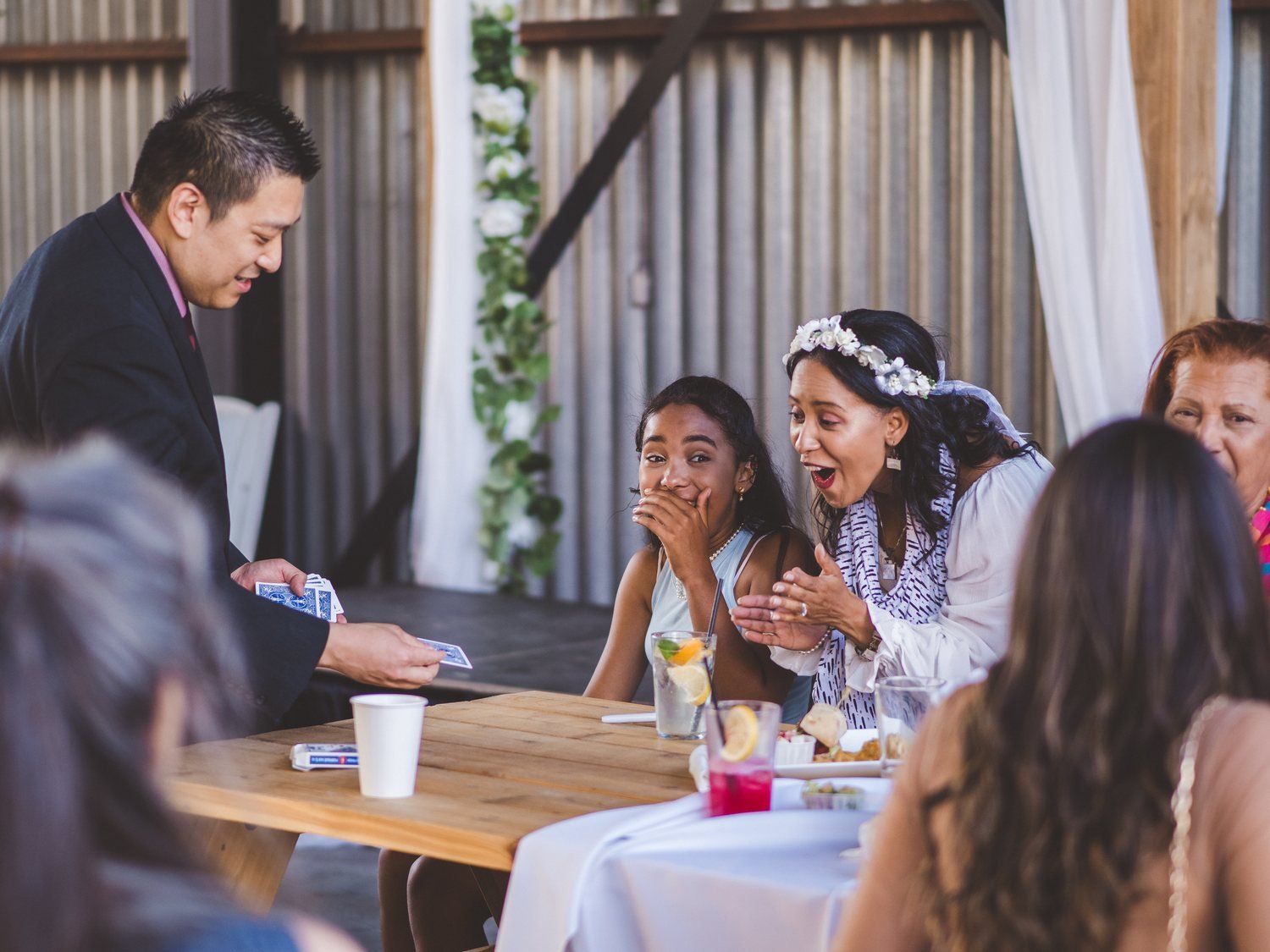
The strongest rehearsal dinner entertainment should feel like it belongs at the table. John creates interactive moments with cards, borrowed objects, and mind-reading-style effects that happen close enough for guests to feel involved. People are not watching from far away; they are part of the moment.
That matters when two families are meeting, wedding party members are mixing with relatives, or friends have travelled from different cities. A shared reaction gives people something to talk about that is not logistics, seating plans, or tomorrow’s schedule.
How to plan the timing
For most rehearsal dinners, plan for close-up magic during the social parts of the evening rather than during important speeches or instructions. If the meal is plated, John can coordinate around service so guests are not interrupted while food is arriving. If the event is cocktail-style, he can move through groups as they naturally gather.
A typical window is 60 to 90 minutes, depending on the guest count, room layout, and how much of the dinner is formal. Smaller private dinners may need less time; larger welcome receptions may benefit from a longer strolling set.
What to share when checking availability
When you inquire, include the date, venue or restaurant, guest count, room style, and rough schedule. It also helps to share whether the evening is mostly family, mostly friends, a destination-wedding welcome dinner, or a more formal rehearsal dinner with speeches.
Those details help John recommend the right timing and format. For some wedding weekends, rehearsal dinner close-up magic is enough. For others, couples also add wedding cocktail-hour magic the next day so guests experience another relaxed interactive moment during photos and reception transitions.
Planning a rehearsal dinner or welcome dinner in Vancouver?
John Ha helps couples and families create warm, memorable guest experiences before the wedding day — with close-up magic that feels personal, polished, and easy for the room.
Check availability for your date